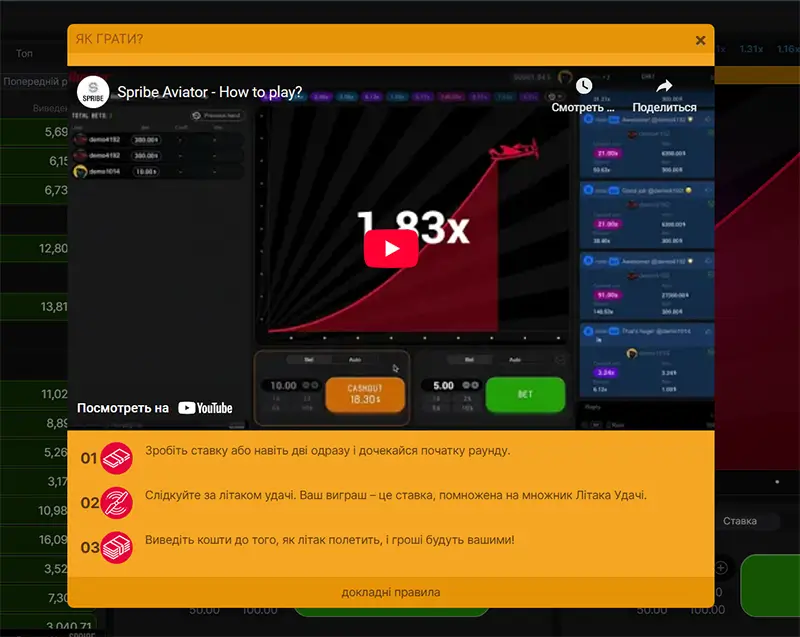
For those seeking an optimal interaction with the platform, Gamblezen the layout and design elements play a vital role. The streamlined interface allows for intuitive navigation, reducing the time needed to find desired features or games. Emphasis is placed on minimalistic design, ensuring that users can focus on enjoyment rather than unnecessary distractions.
The functionality extends seamlessly between devices, showcasing an adaptive layout that maintains consistency regardless of screen size. Key elements, such as quick access menus and strategically placed buttons, remain easily reachable. This uniformity enhances convenience for individuals who switch between smartphones and computers regularly.
Loading speeds are commendable, with minimal lag when transitioning from one section to another. It’s advisable to utilize a stable internet connection to maximize performance. Detailed menus and filters are available to refine searches, catering to diverse preferences and making it straightforward to locate specific types of entertainment.
Accessibility features have also been thoughtfully integrated, ensuring that all users can enjoy the offerings. Options for adjusting text size and color contrasts make the platform welcoming. In conclusion, the thoughtful design choices contribute to an enjoyable and hassle-free interaction, setting a benchmark for digital entertainment interaction.
Comparing Interface Designs on Mobile and Desktop Platforms
For optimal usability, prioritize a responsive design that adapts elements to varying screen sizes. On smaller devices, interactive buttons should be larger and spaced adequately to prevent accidental clicks. A touch-optimized layout contributes significantly to ease of navigation, enhancing engagement for users on the go.
Visual Hierarchies
Utilize contrasting colors and distinct typography styles to create clear visual hierarchies. mobile displays benefit from a condensed information layout, while desktop versions can accommodate more detailed content. Ensure that primary actions stand out unmistakably, harnessing size and color intensity to draw attention immediately.
Functionality should be preserved across both formats. Menus on mobile must be simplified, often employing hamburger icons for space-saving. Conversely, a full menu can be displayed on a larger screen, offering users quick access to all options without overwhelming them. Maintain consistent labeling across devices to reduce confusion.
Loading Speed and Performance
Consider the differences in loading speeds; mobile users often experience slower connections. Optimize images and scripts to ensure swift loading times on mobile platforms, which directly impacts user retention. Desktop versions can handle heavier assets, but should still be optimized to encourage seamless transitions.
Lastly, incorporate feedback mechanisms such as haptic responses on mobile devices. This enhances user satisfaction by providing immediate feedback upon interaction. For desktop users, subtle animations serve a similar purpose, keeping the experience engaging without causing distraction. Focus on intuitive design principles that enhance engagement across all platforms.
Navigation Features: User-Friendly or Confusing?
Intuitive design greatly enhances usability. Clear categories for games, promotions, and customer support are necessary for seamless access. An organized layout minimizes frustration and encourages exploration.
Menu Structure
A well-structured menu is vital. Main categories should be easily identifiable, leading to subcategories without confusion. Utilizing dropdowns can streamline options without overwhelming users.
- Primary categories: Casino Games, Live Dealer, Sports, Promotions
- Secondary categories: Table Games, Slots, Betting options
Offering search functionality is another way to streamline navigation. A prominent search bar allows quick access to specific titles or features, catering to users who know precisely what they want.
User Feedback and Responsiveness
Incorporating user feedback can provide insight into navigation issues. Regular surveys can highlight pain points within the interface. Assessing responsiveness across different devices ensures consistent performance regardless of screen size or resolution.

Pop-up messages to guide users through the interface can also enhance understanding. However, these should be minimal to avoid interrupting gameplay or the overall experience.
Finally, an accessible help section is crucial. Knowledge bases or FAQs should be easy to find, offering solutions to common problems without requiring extensive searching. A dedicated support button is advisable for immediate assistance.